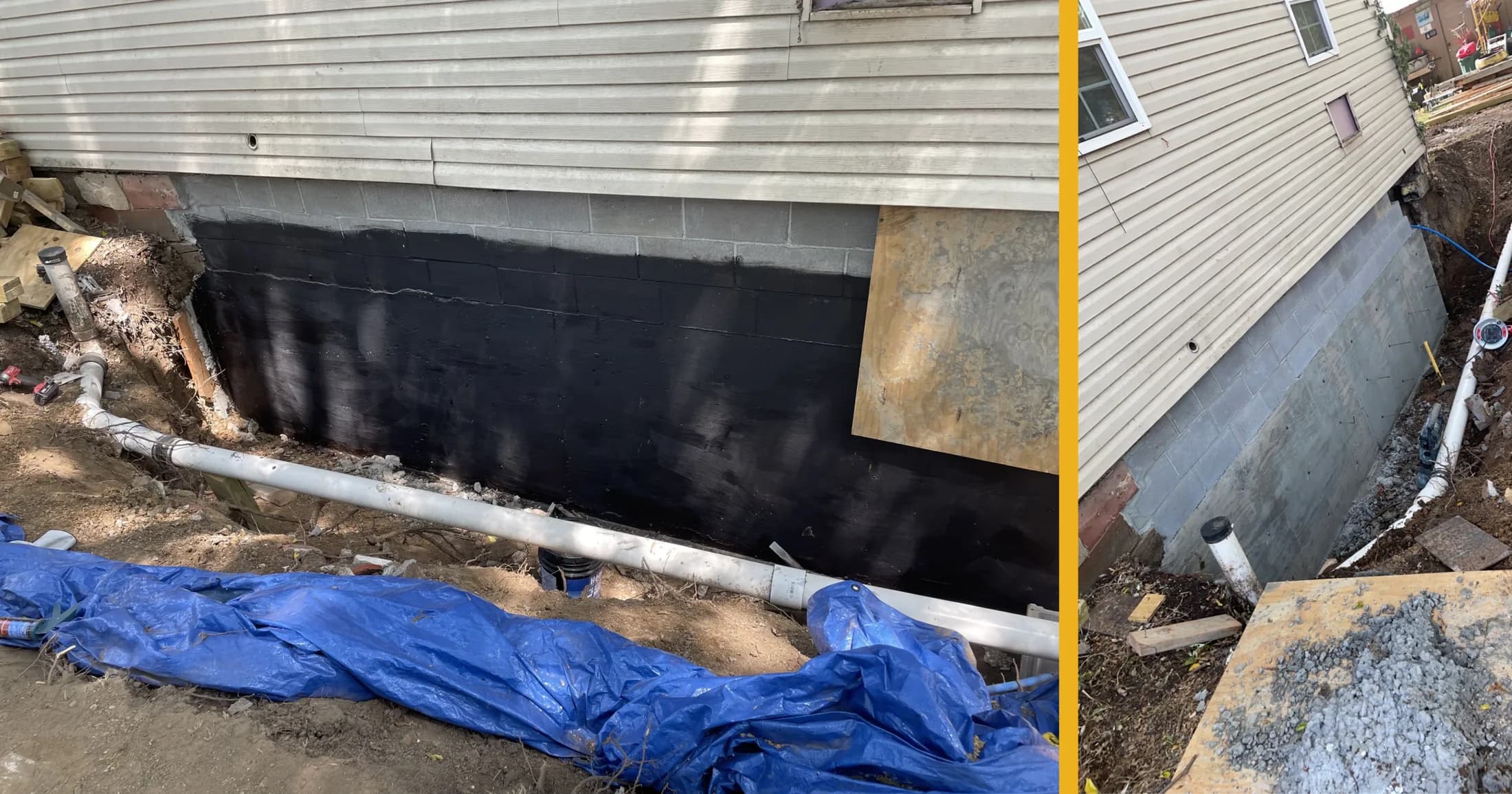
Foundation problems announce themselves through a short list of symptoms, and the hard part is that cosmetic settling produces some of the same ones. The U.S. Department of Housing and Urban Development's Residential Rehabilitation Inspection Guide lists the indications of differential settlement as "vertical distortion or cracking of masonry walls, warped interior and exterior openings, sloped floors, and sticking doors and windows." The same guide cautions that many signs of masonry distress are incorrectly diagnosed as settlement when they are actually caused by ordinary moisture and thermal movement.
Foundation movement — the soil-driven shifting of the structure, as opposed to surface-level material shrinkage — is what separates a serious sign from a cosmetic one. The signs homeowners across Kansas, Oklahoma, Missouri, and Arkansas notice first are the six we cover on our foundation-repair warning-signs checklist:
- Cracks in foundation, basement, or interior walls
- Uneven or sloping floors
- Doors and windows that stick or no longer latch
- Water seepage in the basement or crawl space
- Gaps opening between trim, walls, and ceilings
- Bowing or leaning basement walls
Any one of these signs, alone and unchanging, is often harmless. Two or more of them appearing together — or one of them getting worse over months — indicates movement, and movement is what a foundation professional needs to evaluate. The sections below take each symptom group in turn.